Server & Data Centre Decommissioning in Hong Kong
From a single rack to a full data hall: dismantling, removal, recycling and certified data destruction — with documentation your auditors will accept.

From a single rack to a full data hall: dismantling, removal, recycling and certified data destruction — with documentation your auditors will accept.
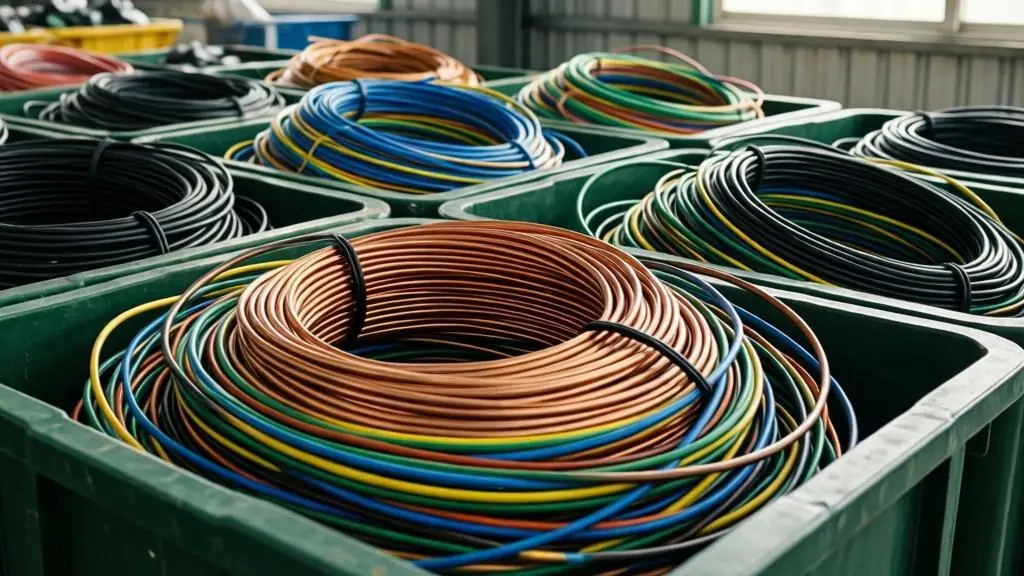
Direct answer: Server decommissioning covers the safe removal and recycling of servers, storage, network equipment, UPS and cabinets — including certified destruction of the data they hold. In Hong Kong, expect a formal Certificate of Destruction for any storage media, plus recycling receipts for the hardware.
| Method | Best for | Output |
|---|---|---|
| Physical destruction (shred / crush) | Drives with confidential or regulated data | Certificate of Destruction; media unrecoverable |
| Data wiping (overwrite) | Equipment being reused or resold | Wipe report; hardware reusable |
| Degaussing | Tape media, some HDDs | Certificate; not suitable for SSDs |
Chain of custody: NDA available, locked storage before destruction, CCTV-monitored process and on-site witnessing on request.
Data centre operators, banks and financial services, logistics and trading companies, manufacturers, schools and public bodies — typically during office relocation, DC migration, refresh cycles or closure.
Send us a rough equipment list (or photos) via WhatsApp. Free on-site assessment across Hong Kong Island, Kowloon and the New Territories.
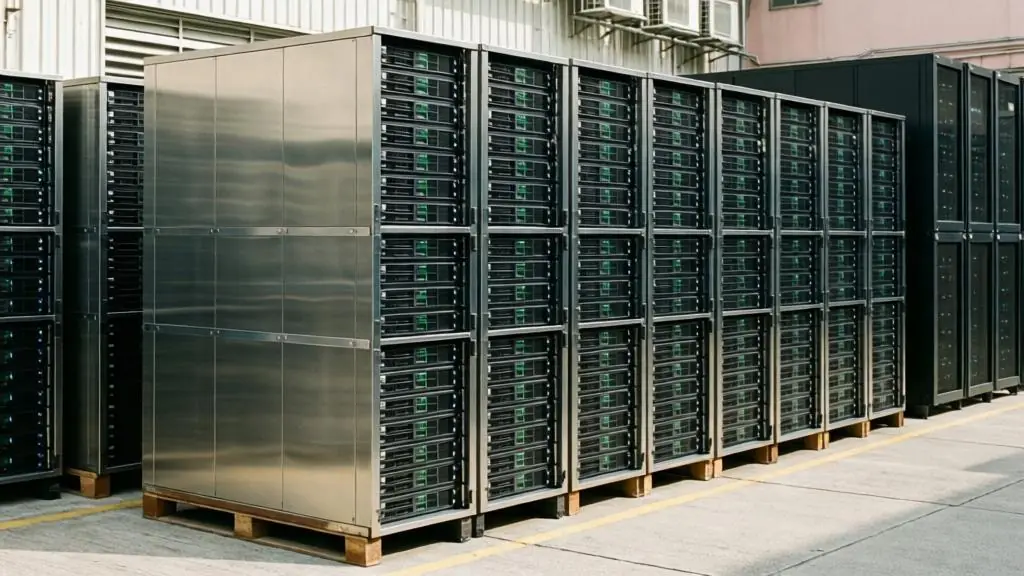
A single rack is usually completed within a day; larger data halls are scheduled rack-by-rack over several days. Timing depends on access hours, lift capacity and the number of units.
Yes — cabinets, rails, PDUs and structured cabling can be dismantled and removed as part of the project.
Only with your written approval. Where data is present we recommend destruction instead of resale; equipment approved for reuse is wiped and documented.
Yes — Certificate of Destruction for media and recycling receipts for hardware, listing item types, quantities and dates.